chinkapin oak (Quercus muehlenbergii)
Family: Fagaceae
Categories |
Images |
|---|---|
| Form:
This is a medium-sized tree reaching 60-75 ft in height and 2-3 ft. dbh. It generally has a spreading rounded crown. |
|
|
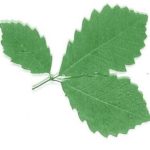
Leaves: Shape: broadest near the middle Margin: acute teeth Texture: whitish green below Variation: pinnate |
|
| Bark:
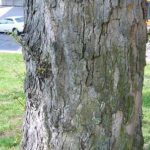
It has thin ashy gray bark that has a rough flaky texture. |
|
| Twigs and Buds:
The twigs are orange-brown and slender. |
|
| Flowers and Fruit:
The acorn has a bowl shaped cup with fringes along the margin. |
|
| Distinguishing Characteristics:
It has a very distinctive leaf shape different from other oak species looking slightly like American chestnut with larger serrations. It has a greater tolerance to shade than it’s oak relatives. |
|
| Range:
Chinkapin oak can be found as far west as New Mexico, can be found in the southern Lake States, Ontario, and New England, but is most prevalent along the Mississippi river valley. |
|
| Silvics:
It is usually found on limestone outcrops, near the higher portions of bottomland sites. It is uncharacteristically shade-tolerant for an oak species. |
|
| Ecological and Cultural Importance:
It’s low abundance gives it little commercial value, but it can be used in cabinetry and furniture. Chinkapin oak provides mast and browse for wildlife typical of other oak species. |