yellow birch (Betula alleghaniensis)
Family: Betulaceae
Categories |
Images |
|---|---|
| Form:
This is a medium-sized tree reaching an average maximum height of 60-70 ft. It develops a thin irregular crown. |
|
|
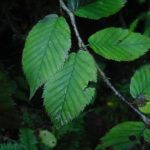
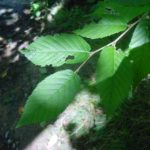
Leaves: Shape: ovate Margin: doubly-serrate Texture: glabrous above with pubescence on veins below Variation: parallel |
|
| Bark:
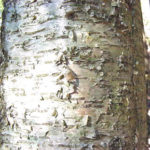
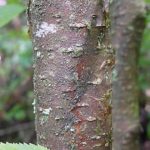
The bark can be red-brown or silver-gray when young, and has a more golden yellow tint mixed with silver-gray on older trees. |
|
| Twigs and Buds:
The twigs have a wintergreen odor. It’s buds are chestnut colored. |
|
| Flowers and Fruit:
The fruit is a nutlet that forms in a catkin (flexible cone). |
|
| Distinguishing Characteristics:
Look for the doubly serrate leaves with parallel veins to identify it in the Betulaceae family. Then look for the distinct bark coloration and texture. Also smell a twig for a wintergreen odor. |
|
| Range:
It occurs in the high elevations of the northern and southern Appalachians and in the maple-beech-birch mixtures common to the Lake States. |
|
| Silvics:
This species is moderately tolerant of shade, but less so compared to species that it often competes with. It prefers moist upland sites. |
|
| Ecological and Cultural Importance:
Birch is a very important source of food for a variety of wildlife. It’s early successional stature makes it dependant on disturbances. It has a variety of applications in the wood products industry including distillation of wood alcohol. |